Serving Irving & Dallas County, TX
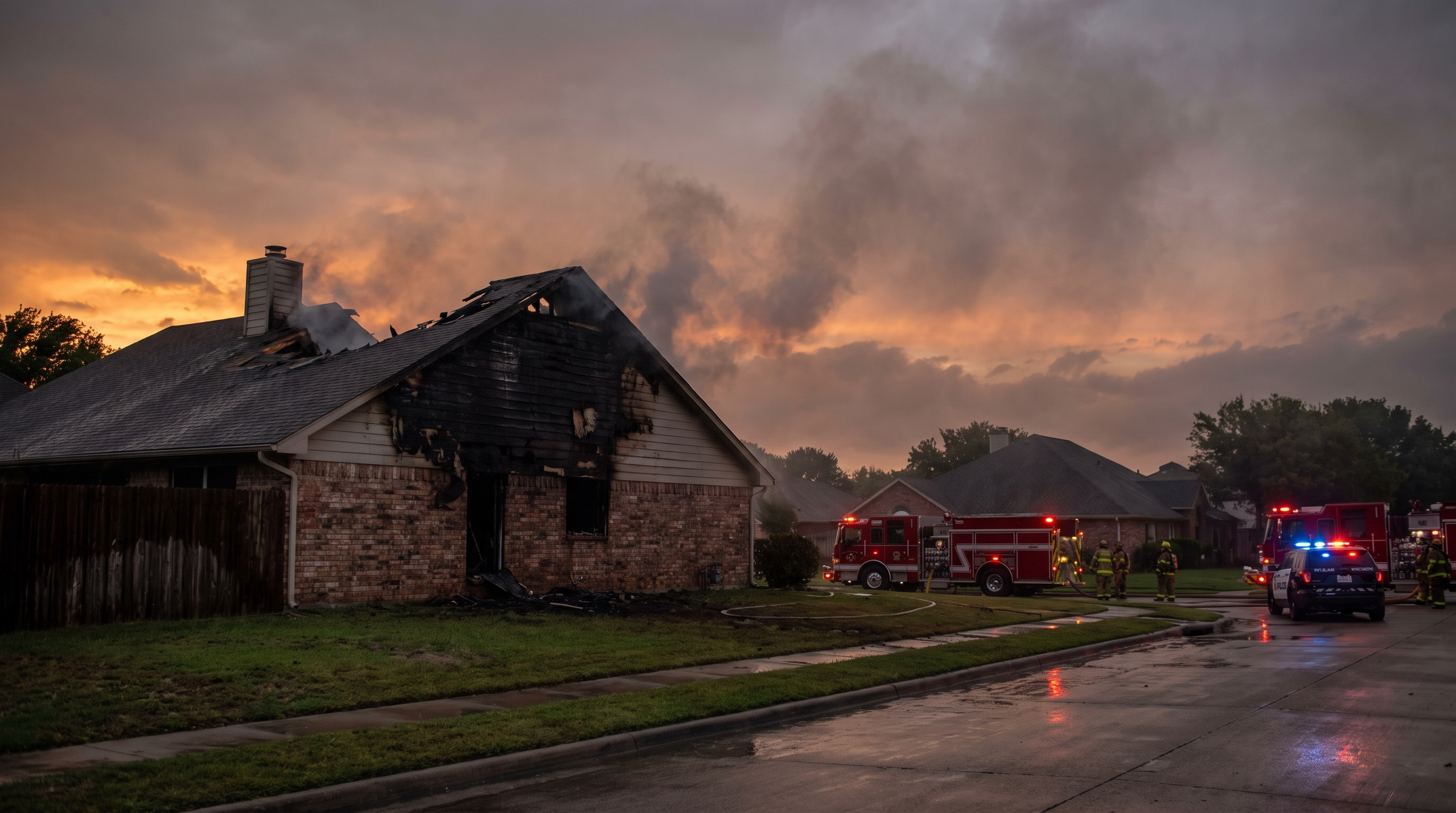
Fire cleanup for Irving homes after the trucks leave
Get a free estimate and fast contractor match before smoke, soot, and water damage spread.
Serving Irving & Dallas County, TX
Get a free estimate and fast contractor match before smoke, soot, and water damage spread.
A fire in Irving does not create one simple repair list. Older ranch homes from the 1970s and 1980s can have smoke in attic chases, brittle insulation, and wiring that needs a closer look after heat exposure. Newer townhomes and Las Colinas condos bring a different problem: shared walls, HOA rules, elevators, and high-value finishes that make documentation matter from day one.
Irving also sits in a part of Dallas County where weather adds stress to already damaged homes. A small kitchen fire can turn into drywall removal and mold prevention after firefighters soak the wall cavities. Homeowners who dealt with burst pipes during Winter Storm Uri already know how much an insurance claim can slow down without photographs, moisture readings, and a clean scope of work.
Irving Fire Damage Restoration helps property owners move from confusion to a contractor conversation. We connect you with licensed restoration crews who can assess structural damage, clean smoke and soot, dry firefighting water, inventory contents, and handle emergency board-up or tarping when the structure is open to weather.
Dry summers near the Trinity River corridor have made fire risk a more serious concern for western Irving. The right response starts with securing the property, documenting the damage, and checking the hidden areas where smoke and water travel after the fire department leaves.
Irving has a wide spread of property types, and fire cleanup changes with the building. A single-story brick home near an older subdivision may need attic smoke inspection and electrical review. A Las Colinas high-rise unit may need coordination with building management, sprinkler water extraction, and careful odor control so smoke does not move into nearby units.
We focus on matching the job to the right contractor instead of treating every call the same. Fire damage assessment, soot removal, drying, contents work, odor treatment, and temporary protection each require different equipment and sequencing. Good documentation also matters in Dallas County because claims, permits, and inspections do not follow the same pattern as nearby counties.
More about us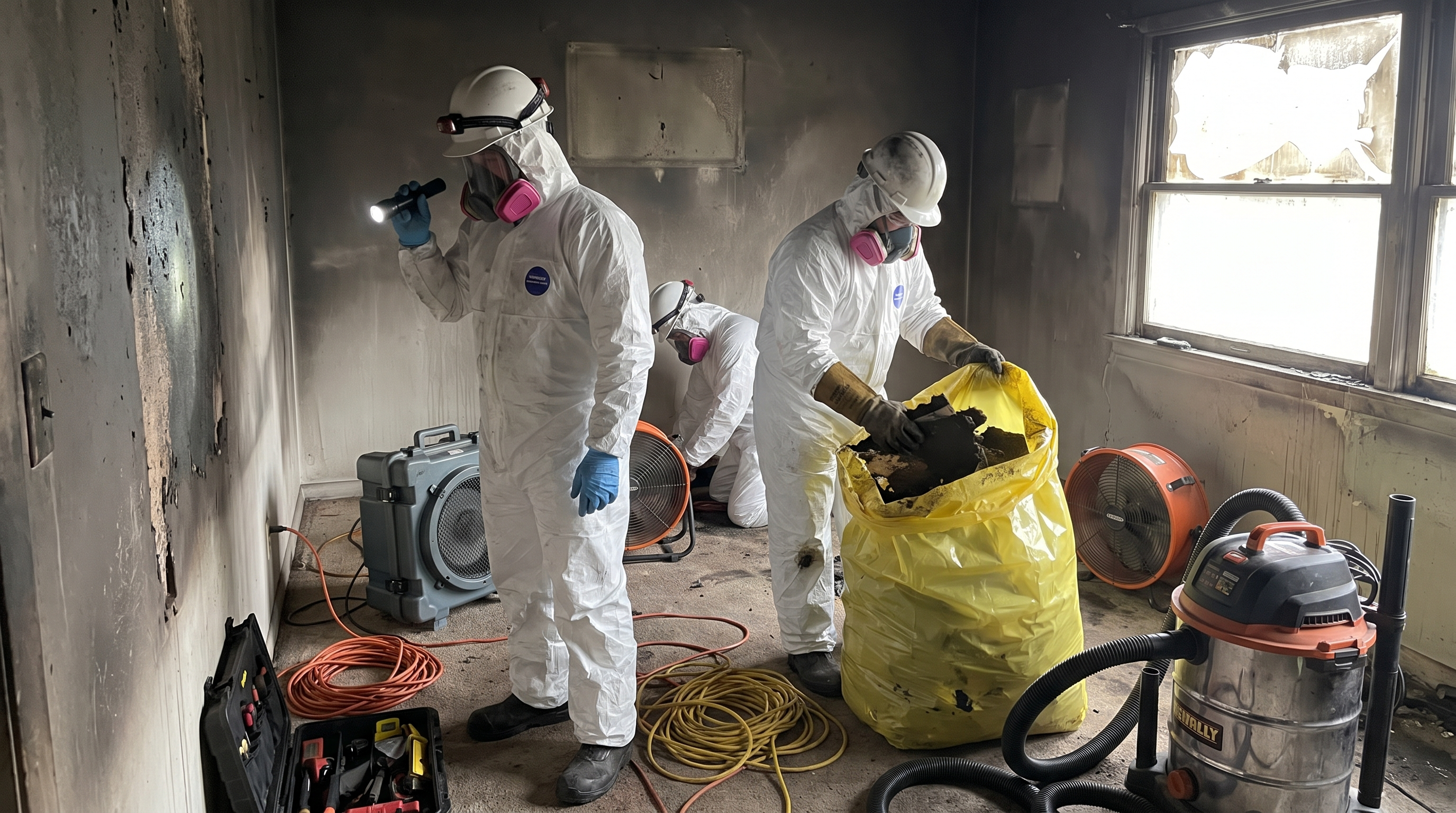
Fire restoration in Irving often combines emergency stabilization, cleaning, drying, and claim documentation. These services cover the main steps property owners need after flames, smoke, or firefighting water hit the building.
Document burn patterns, smoke spread, water damage, and safety concerns before repairs begin.
Learn more →Remove acidic soot, smoke residue, and surface contamination before permanent staining sets in.
Learn more →Dry soaked flooring, walls, insulation, and cabinets after suppression water enters the structure.
Learn more →Inventory, clean, pack out, and restore belongings affected by smoke, soot, water, or heat.
Learn more →Remove smoke odor from porous materials, air paths, contents, and structural surfaces.
Learn more →Secure broken openings, roof damage, and exposed structures after a fire.
Learn more →We serve Irving along with Grand Prairie, Arlington, Coppell, Las Colinas, and Carrollton. The service area covers dense Dallas County neighborhoods, nearby Tarrant County communities, and the residential sections around the DFW Airport and Las Colinas corridors.
Each town has a different mix of homes. Older subdivisions call for close inspection of wiring, framing, and attic smoke. Condo and townhome communities need fast coordination with HOAs, property managers, and insurance adjusters so cleanup does not stall.
See all service areas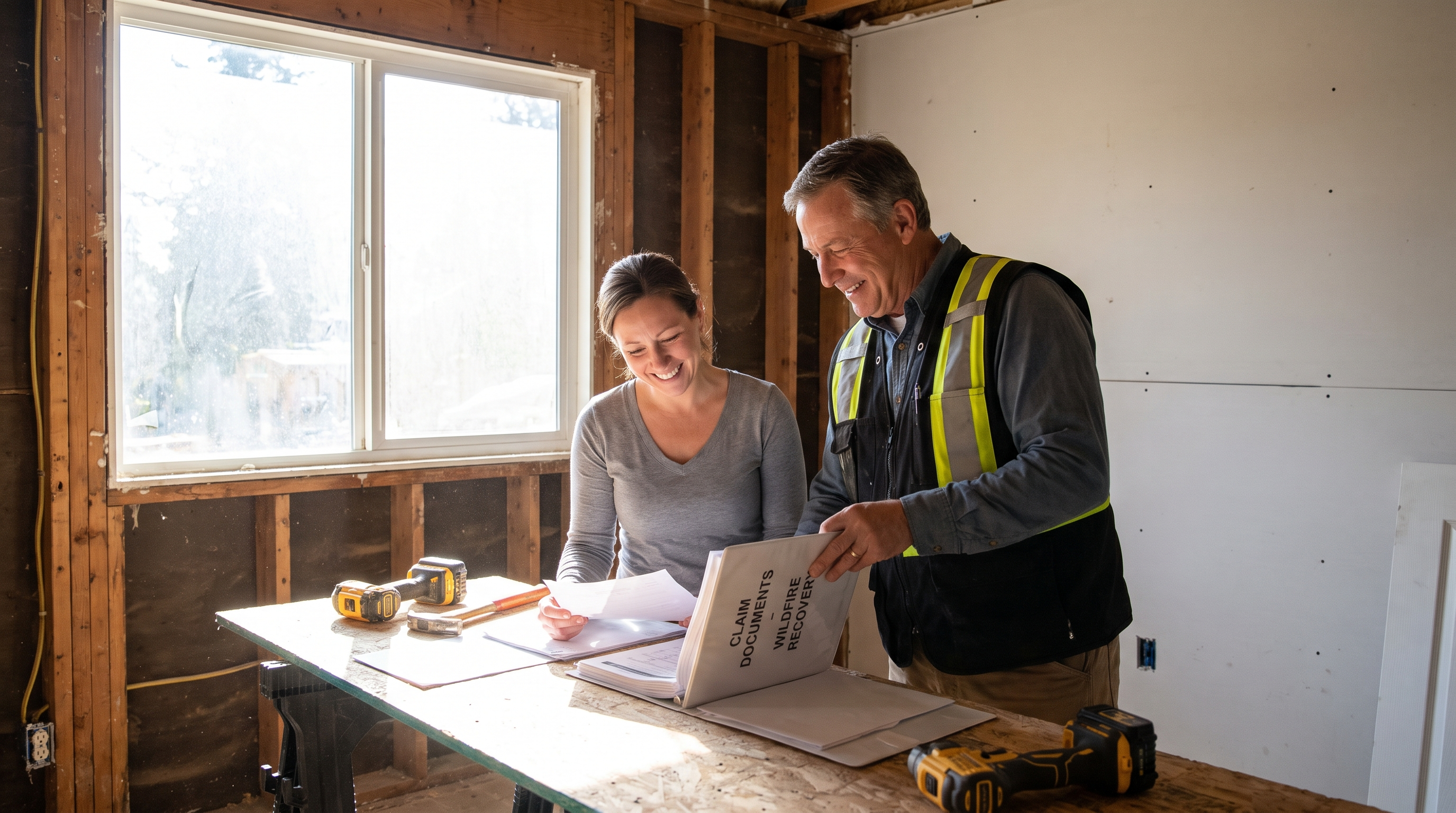
A 1970s home near central Irving does not need the same crew as a Las Colinas condo. We match property owners with contractors who handle the building type, damage pattern, and access issues tied to the address.
Fire claims in DFW can range from limited soot cleanup to six-figure structural repairs. The contractors we connect with know how to photograph damage, record moisture readings, review Xactimate scopes, and support supplements when the first estimate misses hidden damage.
Most fires leave more than burn damage. Crews need to address soot, odor, wet insulation, soaked subfloors, and HVAC contamination in the correct order so the repair does not fail later.
Broken windows, roof openings, and unsecured doors invite theft, rain, and more damage. Board-up, tarping, and basic site protection should happen as soon as the fire department clears the structure.
It can. Some 1970s homes in the area may have older electrical systems, and heat can damage wiring even when flames stayed in one room. A restoration contractor may recommend an electrician inspect circuits before walls close back up.
Costs vary by the fire origin, structural damage, smoke spread, and water used during suppression. In older Irving homes, claims often fall in the $25,000 to $95,000 range. High-value Las Colinas properties can exceed $150,000 when finishes, elevators, shared systems, or multi-room smoke damage are involved.
No. Emergency board-up, tarping, and mitigation should start after the fire department clears the structure. Take photos first, keep receipts, and tell your carrier what emergency work was needed.
Yes. Smoke can move through ducts, returns, attic spaces, and wall cavities. A contractor should inspect the HVAC system, filters, insulation, and rooms far from the fire origin before the scope gets finalized.
For limited smoke damage, the contractor can tell you whether staying is safe. For structural fire damage, heavy soot, or wet building materials, most homeowners need temporary housing while crews clean, dry, remove odor, and rebuild.
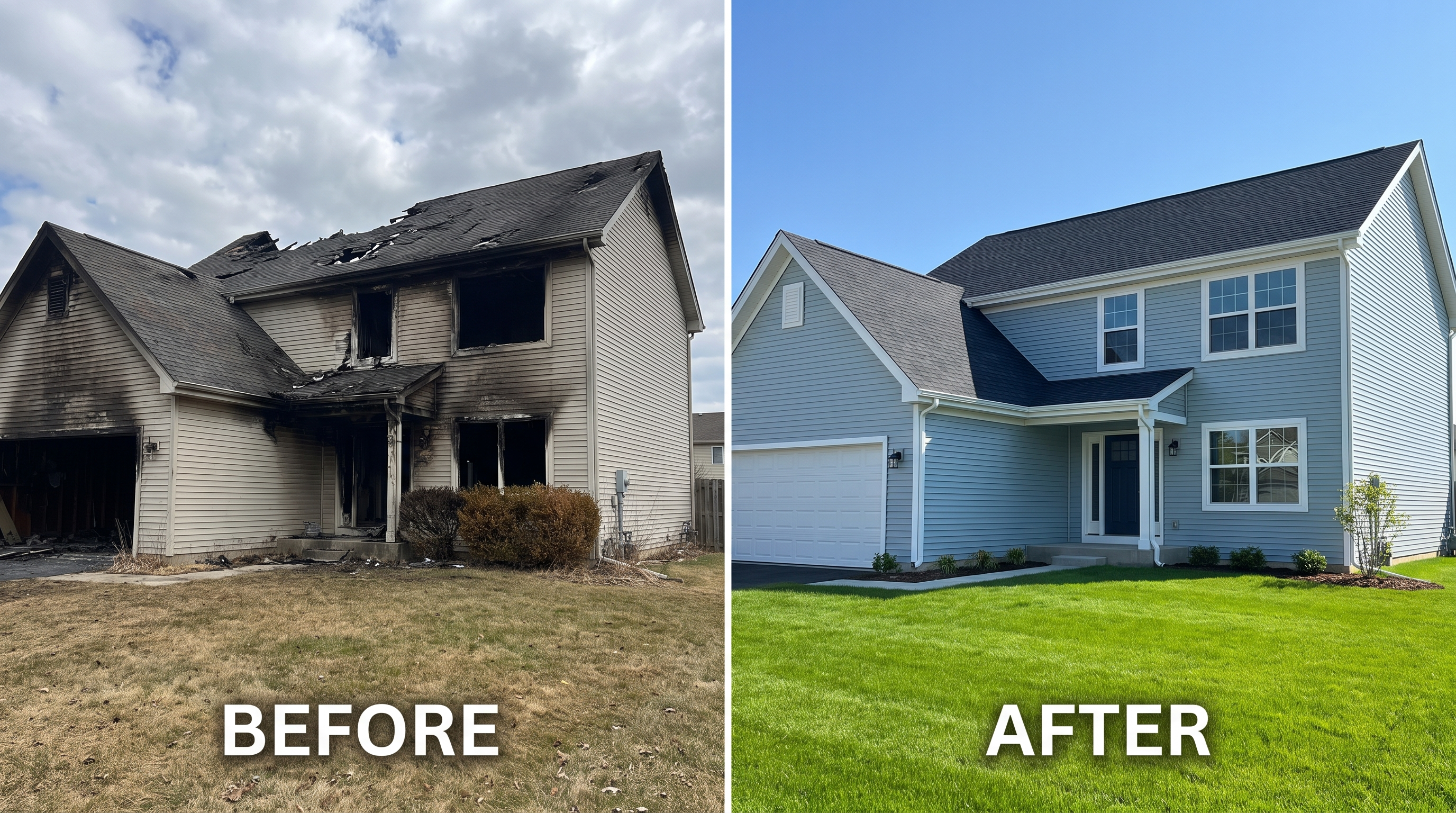
No obligation. Start with a free estimate and a clear next step.
Free — no obligations