Irving's Odor Elimination Specialists
Smoke odor removal that starts with the source
Masking smoke smell will not solve it. Get the odor source inspected and treated.
Irving's Odor Elimination Specialists
Masking smoke smell will not solve it. Get the odor source inspected and treated.
Smoke odor after a fire can remain even after surfaces look clean. Odor molecules settle into drywall, insulation, wood framing, flooring, cabinets, textiles, and HVAC components. Heat can open pores in materials, then smoke cools and traps residue inside them.
Irving homes with attic smoke, old insulation, garage storage, or central HVAC spread need more than candles and air fresheners. Contractors may need to remove contaminated materials, clean surfaces, run air scrubbers, use thermal fogging, use ozone treatment in controlled conditions, or seal structural materials with odor-blocking coatings.
Odor elimination should follow source removal and soot cleanup. If crews treat odor before removing smoke residue or wet materials, the smell often returns. Las Colinas condos and townhomes also need attention to shared walls, corridors, and ventilation paths because smoke odor can affect neighbors and building management.
Irving Fire Damage Restoration helps you connect with contractors who build odor treatment into the full restoration plan instead of treating it as a final spray at the end.
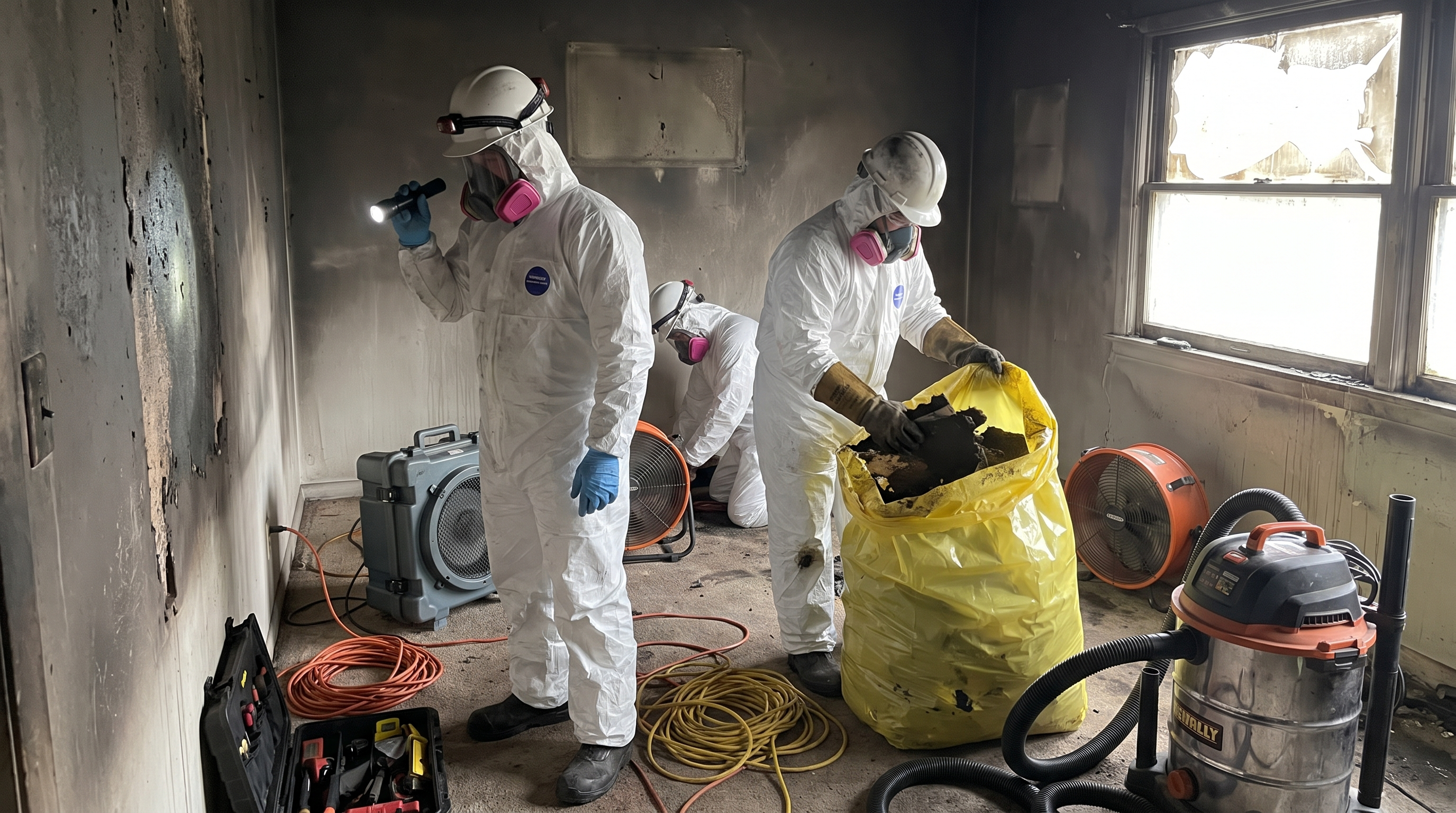
Odor work needs source identification, cleaning, air treatment, and sealing when the material cannot release the smell through cleaning alone.
Contractors identify contaminated materials, air paths, HVAC components, contents, and cavities where smoke settled. The source list controls the treatment plan.
Crews may use air scrubbers, hydroxyl generators, ozone treatment, thermal fogging, or specialty products based on occupancy, materials, and severity. Each method has safety rules and timing limits.
If cleaning cannot remove odor from exposed framing or porous surfaces, contractors may use sealers after the surface is cleaned and dry. This helps prevent smoke smell from returning after repairs.
Good odor removal starts by finding what still smells. We connect you with contractors who remove contaminated materials and clean residue before relying on equipment.
A detached home, townhome, and high-rise unit need different odor controls. The right contractor accounts for occupancy, ventilation, shared walls, and safety requirements.
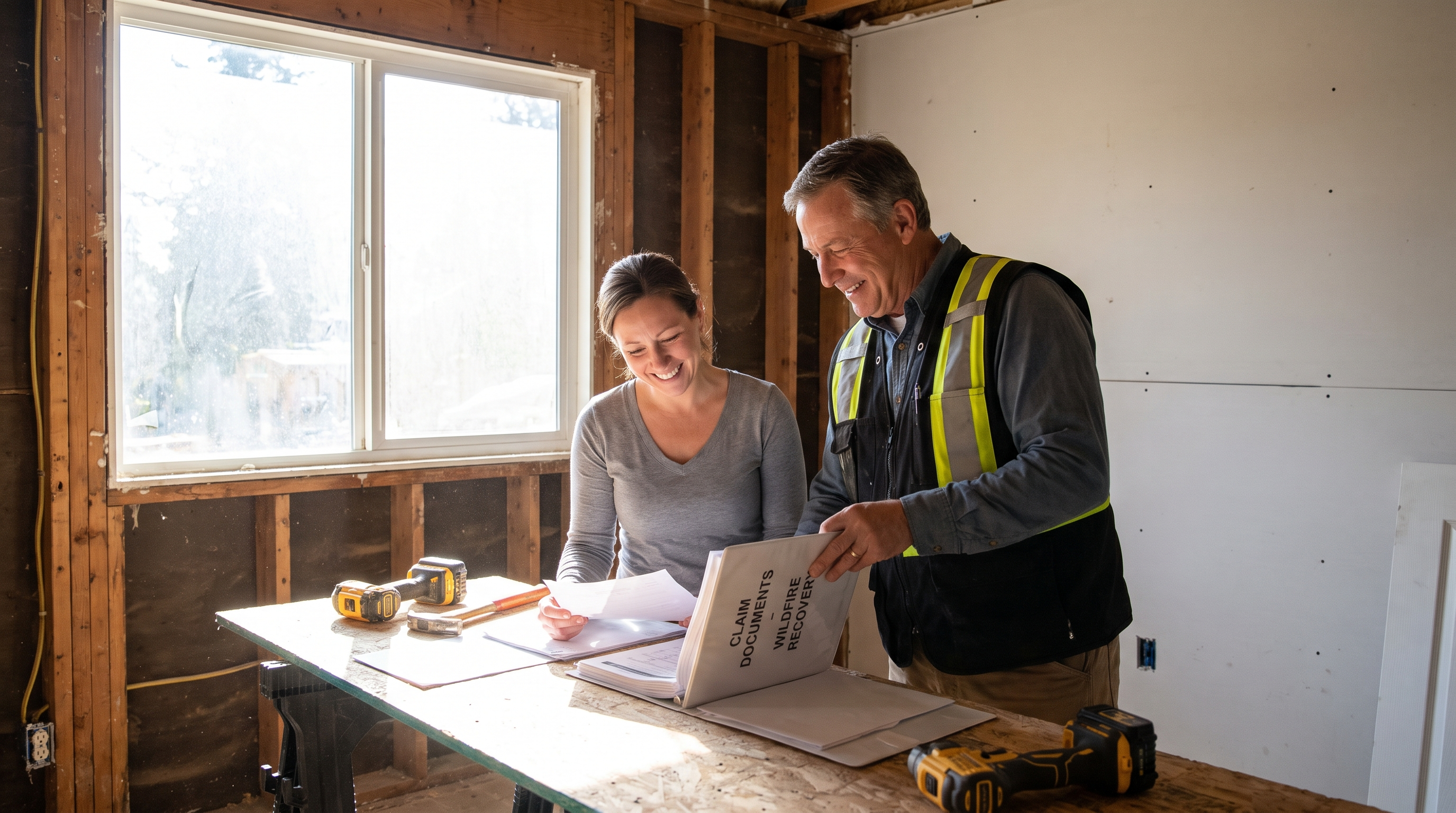
Get the smoke odor source inspected before repairs cover it up.
Free — no obligations
The contractor checks materials, contents, HVAC paths, and hidden cavities for smoke residue.
Crews remove unsalvageable materials and clean surfaces that still hold residue.
Technicians use the correct deodorization method based on the structure, occupancy, and affected materials.
The contractor checks odor conditions before walls close, flooring returns, or contents move back in.